



When Does Your Website Need a Redesign Rather Than a New Look
 4 Minutes Read

In the digital world, your website provides the first impression about your business. Even before your stakeholders -- customers, business associates, financial partners or prospective employees -- approach the business to make an inquiry, purchase a product, apply for a job, or even contact your team, they would likely visit your website to understand who you are and what you offer.
Your website is your online brochure, your digital identity and your sales representative. Many organisations invest heavily in marketing, social media, and advertising but continue to operate with outdated websites. However, it is a business imperative that your website needs to reflect your business capabilities, values, and customer expectations.
Here are a few reasons why organisations should consider redesigning the website a business decision.
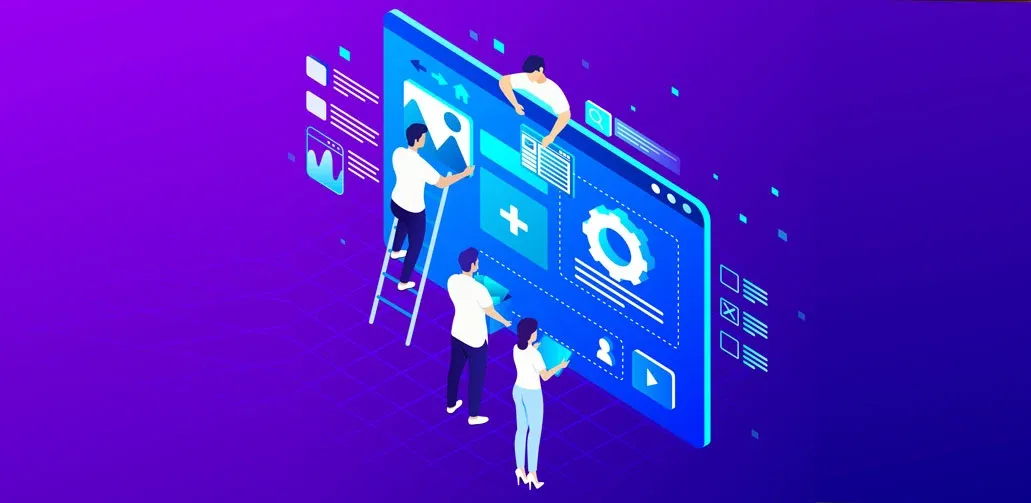
Website redesign is not merely changing colours or updating images and content. It is about creating better user experiences, improving performance, enhancing credibility, and ensuring your website supports your business goals.
1. Website performance directly impacts business growth
Your website should support business objectives, whether that means generating leads, increasing sales, attracting talent, or building brand awareness. Older websites struggle with poor performance because they were designed around outdated business goals or technologies. A website revamp allows organisations to align their website with current business priorities, creating clear user journeys and stronger conversion opportunities.
2. The first impression is often the last impression
The quality of a website reflects on the quality of the company. Visitors create opinions about a website within seconds. An outdated design, cluttered layout, slow loading speed, or confusing navigation can immediately create a negative impact about a business. Whereas a modern, professional, and user-friendly website helps build better credibility. It communicates that the organisation is current, reliable, and invested in providing a positive customer experience.
3. User expectations
People expect websites to be fast, responsive, easy to navigate, and accessible across devices. If users struggle to find information, encounter broken pages, or experience poor mobile functionality, they are likely to explore the competition instead. Website redesigning focuses on user experience, and ensures visitors can easily find what they need. Mobile-friendly experiences and CTAs – calls-to-action – are a key part of UX design.
4. SEO/AEO boosts websites
A website is valuable only if people can find it. Search engines consider factors such as page speed, mobile responsiveness, site structure, security, and user experience when determining rankings. Answer engine optimisation (AEO) helps users find information readily. Older websites often lack the technical foundation required to perform well in search results. A website redesign provides an opportunity to improve SEO/AEO performance, increase visibility, and attract more organic traffic.
5. Your business has evolved
Businesses need to grow and change over time. Services expand, new products are introduced, new markets emerge, and brand positioning evolves. If websites do not represent your current capabilities, achievements, or vision, then it does not connect with your brand and your audience. A redesign enables companies to showcase the latest and best of your business.
6. Security and technology standards keep changing
Technologies are evolving rapidly. Older websites rely on outdated systems, plugins, or frameworks that can create security and performance issues. Website redesigns and upgrades help organisations stay secure, compliant, and technologically relevant.
7. Competitors are improving their digital presence
Customers check multiple websites before move forward. If competing organisations offer a more intuitive, engaging, and professional experience, visitors may choose them instead. A redesigned website helps businesses stay competitive and maintain credibility in digital era.
8. Users expect new content experiences
Organisations create marketing content such as blogs, case studies, thought leadership articles, videos, and success stories but if the website structure does not support content discovery, it goes unnoticed. A redesign improves readability, and accessibility and help businesses to connect with stakeholders through an impactful content strategy.
9. Your website should grow with your business
A website should not be viewed as a one-time project. Website revamp help organisations remain relevant, improve performance, and create meaningful digital experiences. Successful companies view their website as a living business asset rather than a marketing tool.
The future of your business starts with your website.
Your website is the first conversation people have with your brand. It influences how customers see your business, whether they trust your expertise, and whether they choose to engage with you. A website redesign is an investment in customer experience, business growth, brand credibility and future success.
At TIC, we believe website redesign is about more than visual transformation. It is about creating digital experiences that connect with people, strengthen brands, improve performance, and support long-term business growth through thoughtful strategy, user-centric design, and meaningful storytelling.

Let's create communication that drives results!